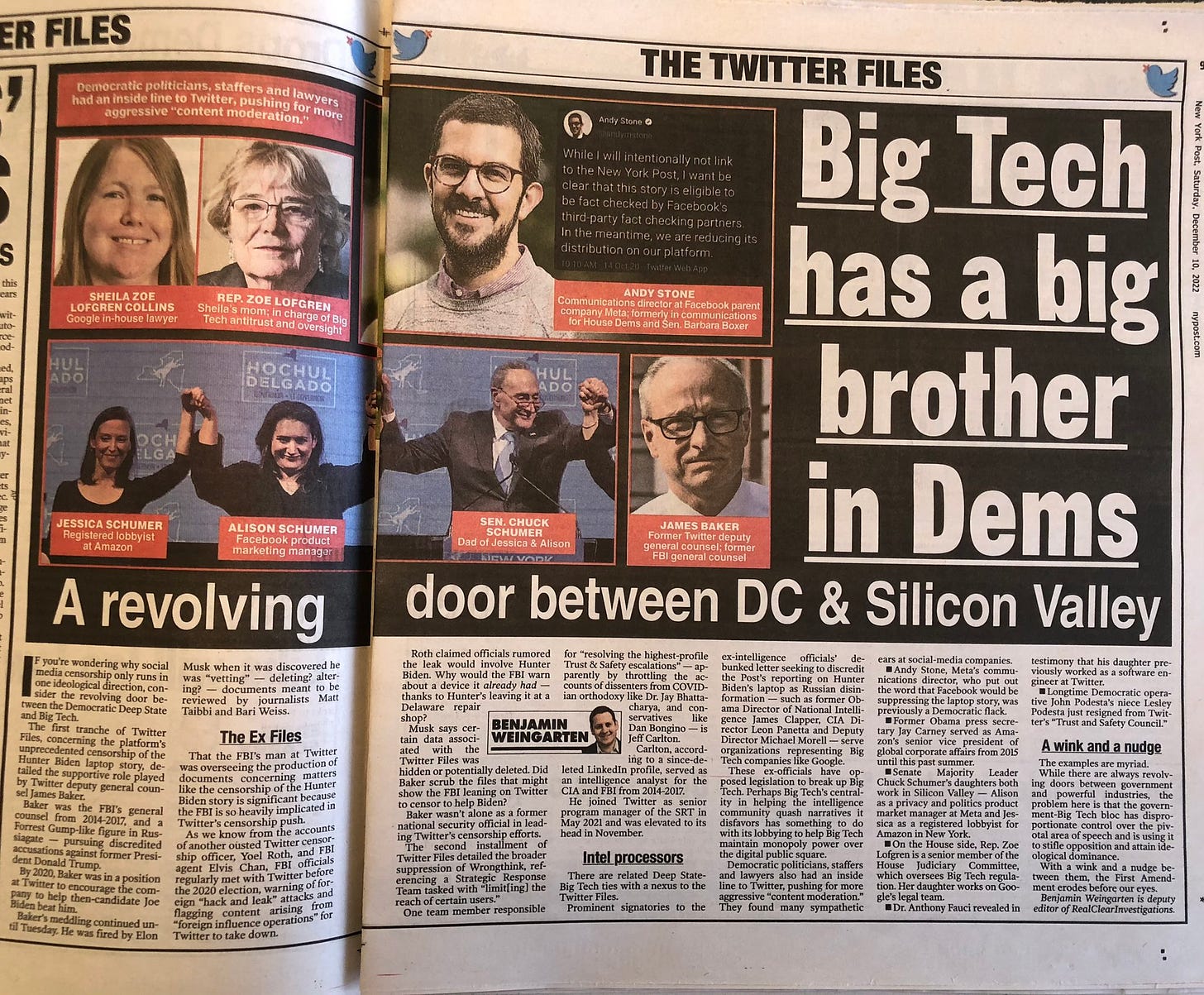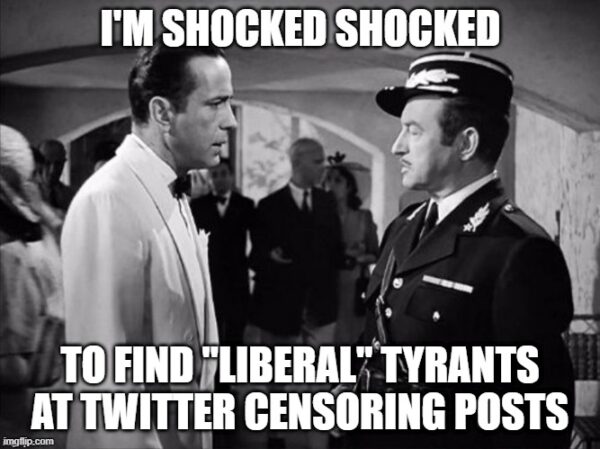
The nomenklatura is real. It sprang to life with the first law Congress passed that restricted the people and exempted goobermint.
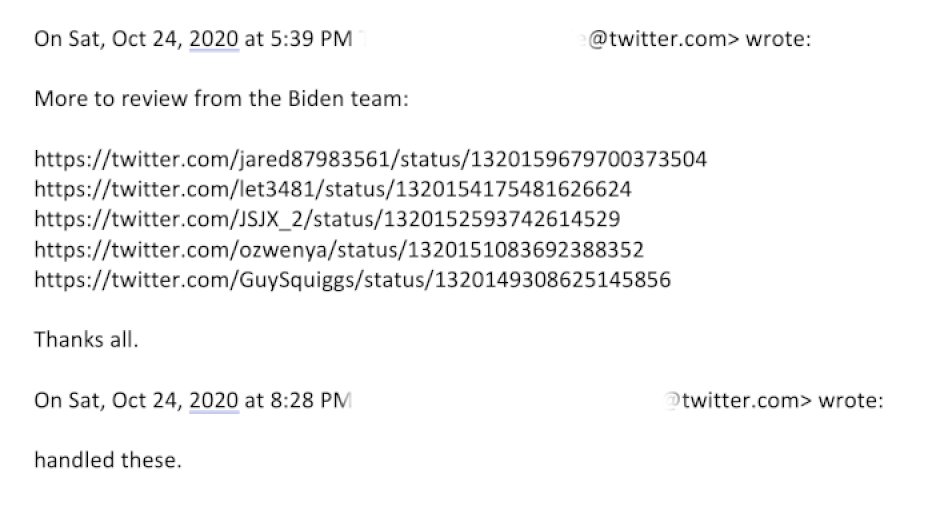
A few weeks after Elon Musk formally acquired Twitter in October 2022, a senior official at the company who quit in the wake of Musk’s arrival took to the New York Times to pour cold water on Musk’s vision for the social-media platform. Yoel Roth, whose title had been Head of Trust and Safety, sought to assure his fellow progressives. Roth wrote that even if Musk wanted to remove the web of content-moderation rules and procedures Roth had helped create and enforce, the tech billionaire would be unable to achieve his aim. “The moderating influences of advertisers, regulators and, most critically of all, app stores may be welcome for those of us hoping to avoid an escalation in the volume of dangerous speech online,” he wrote.
What Roth meant was this: No Internet platform is an island, and Musk simply didn’t have the power to do what he wanted despite his 100 percent ownership of the social-media platform. It wasn’t merely that Musk would have to contend with Twitter’s progressive workforce, which believes that some political speech is so awful that it should be throttled or banned. He would also come into conflict with European regulators, the Federal Trade Commission, and Congress, all of whom also seek to limit what can be said online. And what about the Global Alliance for Responsible Media, a trade organization of some of the world’s biggest consumer brands that advocates for “online safety”—a euphemism for protecting social-media users from accounts that may offend, harass, or trigger them?
He would also be dogged by advocacy groups such as the Southern Poverty Law Center and the Anti-Defamation League, which have found a new and lucrative mission monitoring social-media platforms for hate speech. They work hand in hand with elite journalists and think tankers, who have taken to tracking the spread of misinformation and disinformation online. In Washington, the FBI and the Department of Homeland Security have personnel whose job it is to alert social-media companies to foreign propaganda and terrorism. In Atlanta, the Centers for Disease Control seeks to quarantine dangerous information that might lead Americans to forgo masks or vaccine boosters. And perhaps most important, there are other Silicon Valley giants—Apple and Google—that provide the digital storefronts or app stores that Twitter needs to update their software and continue to run its service.
Call it the “content-moderation industrial complex.” In just a few short years, this nomenklatura has come to constitute an implicit ruling class on the Internet, one that collectively determines what information and news sources the rest of us should see on major platforms. Talk about “free speech” and “the First Amendment” may actually be beside the point here. The Twitter that Musk bought was part of a larger machine—one that attempts to shape conversations online by amplifying, muzzling, and occasionally banning participants who run afoul of its dogma.