WHY BIDEN WANTS A WAR IN ISRAEL
Terrorists have only one thing to offer. It’s right there in the name.
The business model of terrorism is killing people and then demanding a payoff. The game always works the same way. The terrorists attack, their targets fight back, and a third party sends in the diplomats to negotiate on behalf of the terrorists before they get hit too hard.
The Islamic terrorist war against Israel has worked exactly this way for generations.
Like a radio pop song that plays every time you go into a supermarket, you know the next verse and can feel the next beat before it even kicks in no matter how much you hate the music.
It’s the same way with the regular mini wars that begin with a manufactured political provocation that can be blamed on Israel, (this time a court ruling evicting illegal Muslim colonists occupying homes that were seized during the ‘48 ethnic cleansing of Jews from Jerusalem), followed by terrorist violence with the usual pattern of attack and escalation.
Hamas and a few of its allies shell Israeli towns and cities using the latest Iranian technology and some of their own cruder models. Israel responds by calculatedly taking out terrorist compounds which Hamas has, with equal calculation, filled with civilian human shields.
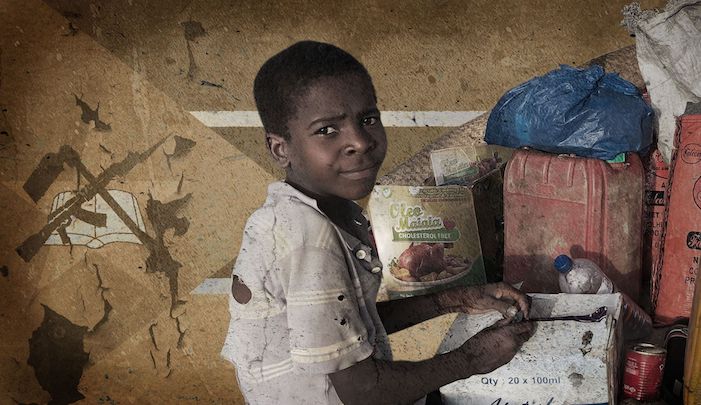
Especially children.
Politicians, the media, and social media (three distinctions without a difference) rush to attack Israel, vastly inflating the already inflated casualty figures put out by the terrorists, lying about the nature of the conflict, and doing their best to mainstream antisemitism a little more.
The Biden administration makes a few public statements vaguely supporting Israel’s right to defend itself, an absurd point, and sends in mediators to negotiate the payoff for the terrorists.
Israel had a brief break from America acting as the paymaster and bagman for the terrorists.
It was a refreshing pause especially for all the children who didn’t get bombed, the homes that didn’t have rockets smash through their roofs, and the soldiers who didn’t get shot just so that State Department negotiators could tell Israel the current going rate for ending the attacks.
Islamic terrorists aren’t crazy or irrational. The average suicide bomber might be, but their leadership doesn’t do anything without a profit motive.
The profits for Islamic terrorism against Israel come in two ways.
First, the terrorists are backed by Iran, Qatar, Turkey, and the rest of the Islamist gang to carry out attacks on Israel. Second, the terrorists are rewarded by the United States, Europe, and Israel for ending the attacks.
This never leads to peace because if you keep rewarding terrorists for ending the violence, you’re also telling them that if they do it all over again, they’ll profit from the violence.
Paying the terrorists not to attack you is really the same thing as paying them to attack you.
But the essence of the peace game is obliviousness. That means believing that there are root causes that can resolve the underlying grievances. The root cause is the existence of Israel.
The terrorists want to destroy Israel: Israel doesn’t want to be destroyed.
Continue reading “”