
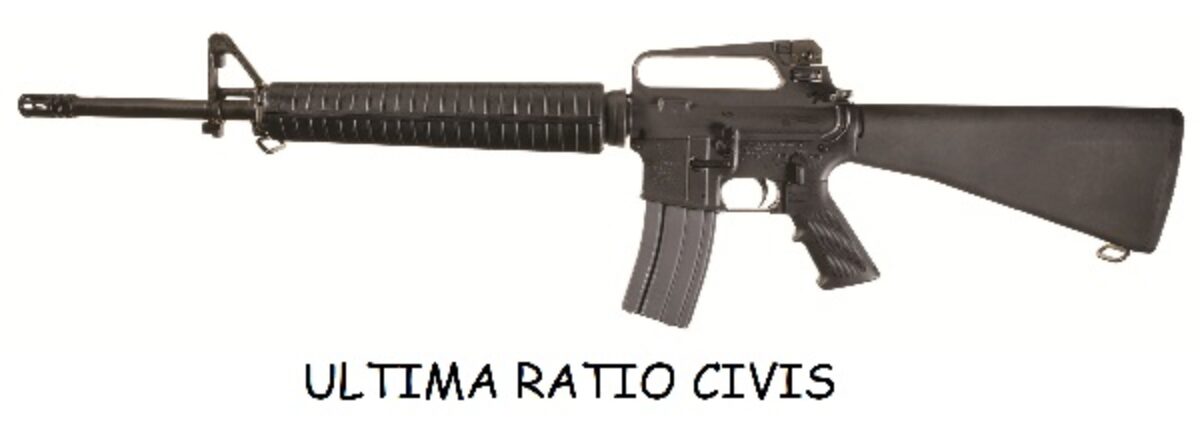
Should We Get Ready For a NFA Amnesty?
For the past several weeks, President Trump has been very busy naming his cabinet appointments. One that is still uncertain is his choice to become the new BATFE Director. The current director, Steven Dettelbach, is a clueless anti-gun buffoon who can’t give congressmen a straight answer. Many American gun owners are hopeful that DJT will appoint 07/02 FFL holder, gun designer, and pro-gun pundit Brandon Herrera as the new Director. If that happens, it will surely inspire some boisterous celebration. In addition to his vows to slash the ATF’s budget and operations, Herrera has also promised to begin a series of National Firearms Act (NFA) registration amnesty periods. There was a provision for tax-free amnesty periods written into the Gun Control Act of 1968. But thusfar, just one 30-day amnesty was held, back in 1968. That amnesty was very poorly publicized, and not many gun owners took advantage of it.
Today, there are probably hundreds of thousands of unregistered full autos in the country. And there are parts in civilian hands to quickly make a million or more. What can I say, but: Americans just love to tinker.
Under the Hughes Amendment to the Firearms Owners Protection Act (FOPA) of 1986, the number of Federally transferable machineguns was arbitrarily frozen. As of November 2006, the National Firearms Registration and Transfer Record (NFRTR) held registrations for 1,906,786 weapons. These included 1,186,138 destructive devices, 391,532 machine guns, 150,364 silencers, 95,699 short-barreled shotguns (SBSes), 33,518 short-barreled rifles (SBRs), and 48,443 weapons categorized as “any other weapons,” (AOWs.) Since then, the number of SBRs, SBSes, and suppressors has risen sharply, but the number of registered transferable machineguns has hardly changed at all.
Not only did the Hughes Amendment freeze cause the prices of full auto guns to inflate radically, it also left Americans with no opportunity to legally build and register any new $200 tax stamp machineguns. Many did so in defiance of the law, risking Federal felony prosecution. Most of those guns are kept very well hidden, mostly underground.
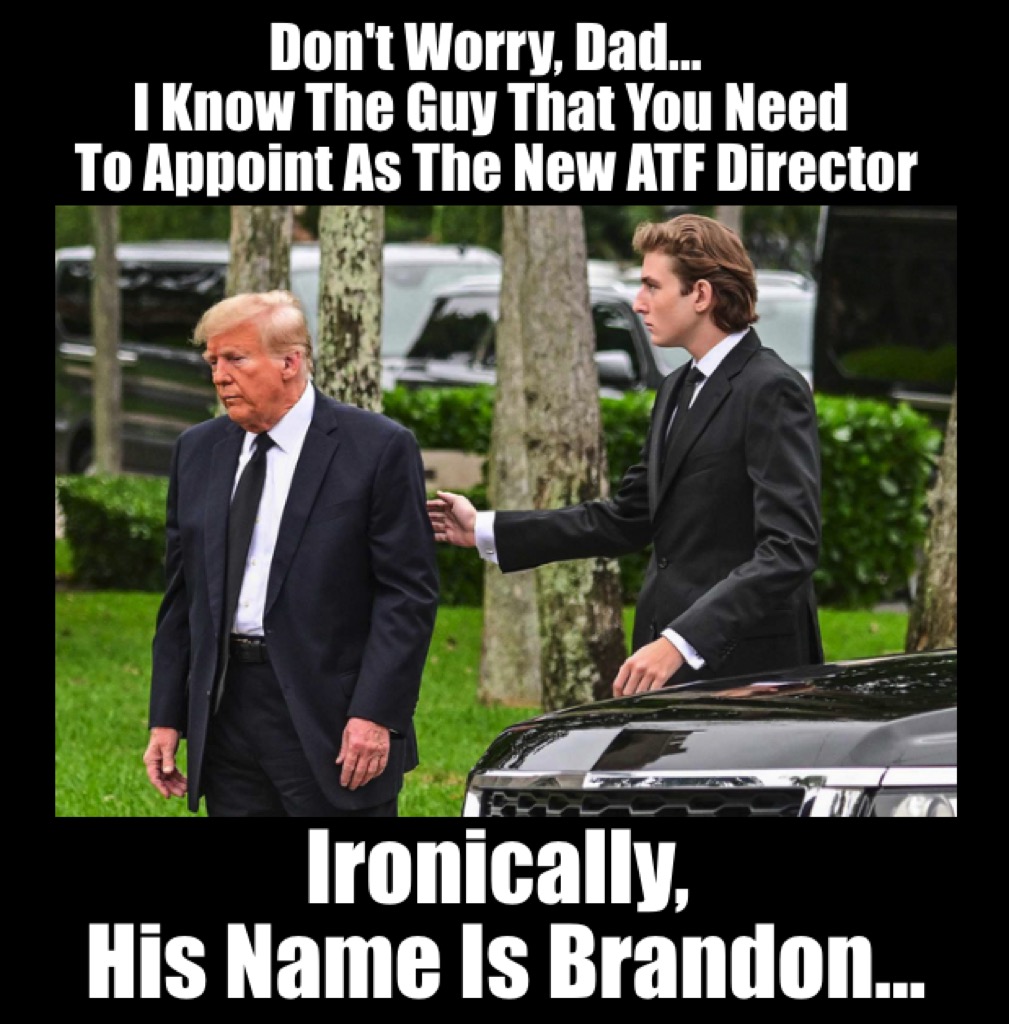 I am hopeful that Brandon Herrera will indeed become the new ATF Director. And I am fully confident that he will keep his promise and consult with the new Attorney General to open at least one six-month-long amnesty period, with tax-free registration of machineguns, partly or fully-finished machinegun receivers, autosears, and other NFA-restricted items. Once that amnesty window opens, the clock will begin ticking. So owners of semi-auto firearms who wish to become legal registered full-auto owners will have to get busy. They will need to either drill existing receivers or bring any unfinished receiver blanks or tubes up to a recognizable level of completion and apply serial numbers, so that they can be registered before the amnesty period expires.


