
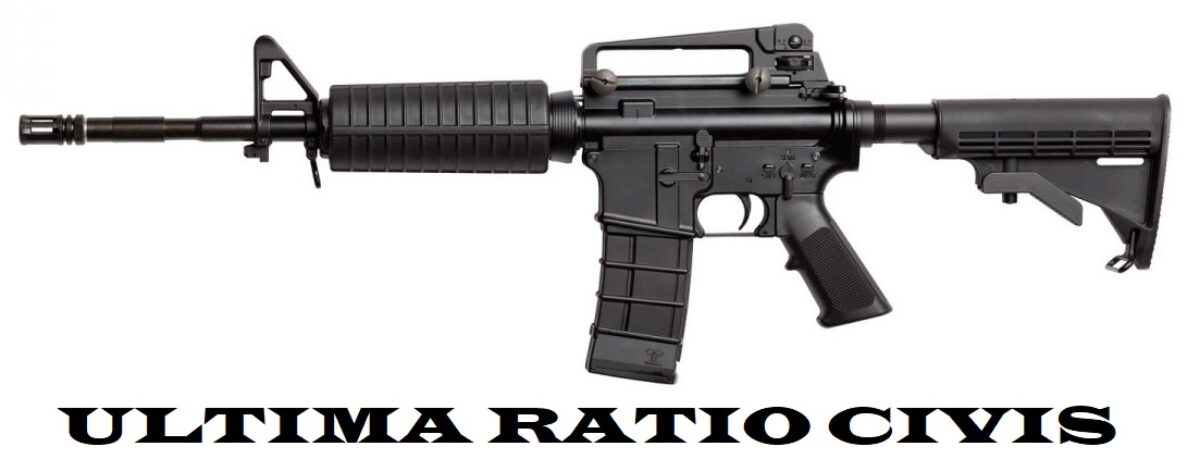
Legal Adults, Limited Rights: The Second Amendment Fight for 18–20-Year-Olds
Over the last few weeks, I’ve noticed a trend that’s hard to ignore. New lawsuits are popping up. Legislatures are introducing bills. Some states are loosening restrictions. Others are cracking down. But they all revolve around the same issue: the Second Amendment rights of 18- to 20-year-old adults.
It struck me just how widespread and fast-moving this fight has become. In a single day, I saw headlines about a federal court striking down the handgun sales ban for young adults, while another state pushed a new law to raise the ammo purchase age to 21. The issue isn’t isolated—it’s everywhere.

In the United States, turning 18 makes you a legal adult. You can vote, serve on a jury, enter contracts, and enlist in the military. But in many states—and under some federal laws—you still can’t buy or carry a handgun. This paradox has sparked a legal and legislative battle stretching across the country, with courts divided, lawmakers digging in, and gun rights advocates pushing back hard against age-based restrictions.
A National Patchwork of Rights
While some states have recently expanded Second Amendment rights to include adults under 21, others have doubled down on restrictions. In 2025 alone, at least a dozen legislative or judicial actions have focused on the question: Do 18- to 20-year-olds have full Second Amendment rights?
In Iowa, lawmakers passed House File 924, lowering the age to carry a handgun from 21 to 18. Florida considered a similar rollback to age of purchase with House Bill 759, while Kentucky, Missouri, North Carolina, Oklahoma, Wisconsin, and Nevada all saw legislative action aiming to either expand or restrict firearm access for this age group. Meanwhile, Colorado moved in the opposite direction, raising the age to purchase ammunition to 21 and restricting home delivery.
Major Lawsuits Reshaping the Debate
The fight isn’t just in statehouses—it’s in the courts.
In Worth v. Jacobson, the Eighth Circuit struck down Minnesota’s age-based carry restriction, ruling that 18–20-year-olds are indeed part of “the people” protected by the Second Amendment. This ruling directly conflicts with NRA v. Bondi, where the Eleventh Circuit upheld Florida’s ban on handgun purchases for those under 21. The NRA plans to petition the Supreme Court for review, but we’ve already seen SCOTUS pass on issuing any ruling on Worth v Jacobson so the conflict between these Circuit court decisions may exist for a long time.

In NRA v. Bondi Florida’s ban on firearm purchases by adults under 21 was upheld by the Eleventh Circuit Court.
In the Fifth Circuit, another milestone was reached when the court struck down the federal ban on handgun sales to 18–20-year-olds, declaring the law unconstitutional under the Bruen standard and citing a lack of historical tradition supporting the restriction.
Lara v. Paris: A Turning Point
One of the most significant rulings so far came from the Third Circuit in Lara v. Paris. The court held that 18–20-year-olds are “the people” under the Second Amendment and that the relevant historical benchmark is 1791, not 1868 as some courts had previously argued. This decision has already restarted previously paused litigation like Young v. Ott, which challenges Pennsylvania’s concealed carry age restriction.
The Road Ahead: SCOTUS Showdown?
With multiple federal circuits now in direct conflict and more states enacting laws both for and against under-21 gun rights, the U.S. Supreme Court may be forced to weigh in despite them already passing on the opportunity to do so. The question will be whether constitutional rights can be delayed based solely on age—even for adults legally recognized by every other standard.
Conclusion: A Defining Test for the Second Amendment
This unfolding legal battle isn’t just about guns. It’s about defining what it means to be a legal adult in America. The coming months and years will likely shape not only Second Amendment jurisprudence but also broader civil rights questions for young Americans caught in legal limbo. I find it utterly disgusting that our country has any question at all about allowing the same men and women we send to war to purchase guns and ammo here at home for their own personal protection. It is an absolute insult.