
The Future of the Second Amendment: A Nation Divided, Armed, and at a Crossroads
The assassination of conservative commentator Charlie Kirk has once again thrust the Second Amendment into the national spotlight. In the aftermath, media outlets and politicians are already seizing on the tragedy to rehash the same tired talking points about “common sense gun reform.”
But before we rush to legislate away rights, it’s worth revisiting what the Second Amendment actually says, and what it means.
“A well-regulated Militia, being necessary to the security of a free State, the right of the people to keep and bear Arms, shall not be infringed.”
That single sentence, just 27 words, has done more to preserve freedom, individual autonomy, and resistance to tyranny than perhaps any other in human history.
The Real Debate Isn’t About Repeal
Despite what some pundits might imply, there’s no realistic effort underway to repeal the Second Amendment. Both sides know it’s a constitutional cornerstone, one that would require near-impossible political consensus to remove.
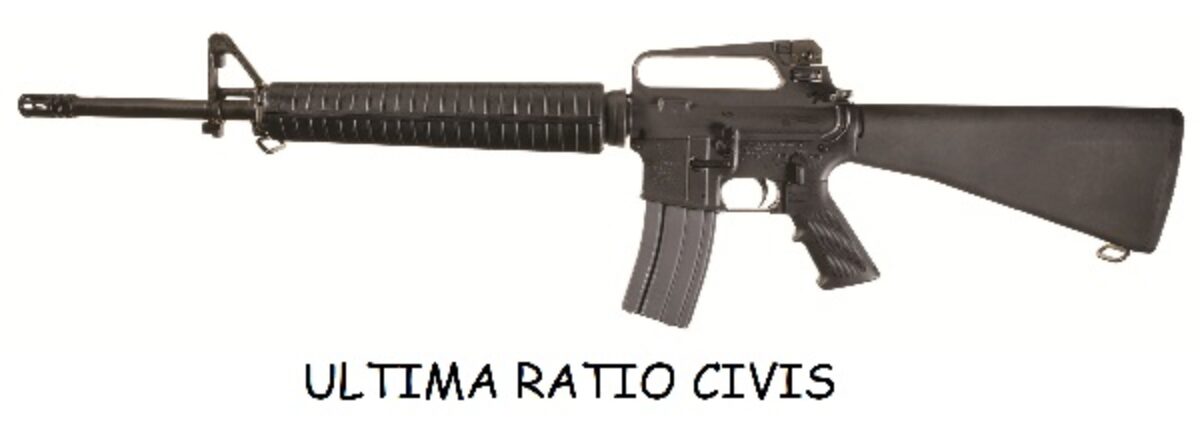
Instead, the modern debate focuses on how far the right to keep and bear arms should extend. Should “arms” include semi-automatic rifles? High-capacity magazines? Concealed handguns? To many Americans, Charlie Kirk among them, the answer is simple: freedom comes with inherent risk.
As Kirk once said, “It’s worth the cost of, unfortunately, some gun deaths every single year so that we can have the Second Amendment to protect our other God-given rights.”
He understood a truth that too many forget: that liberty isn’t free, and disarming citizens doesn’t make evil disappear.
Violence Is Symptom, Not Cause
No one disputes that America has a violence problem. We see it in daily headlines: mass shootings, political assassinations, riots, and armed robberies. But violence is a human problem, not a firearms one.
Blaming guns for political violence ignores the deeper issue: extremism. We’ve seen attempted assassinations of President Trump, murders of Democrat politicians, and now the killing of Charlie Kirk, all symptoms of a country tearing itself apart politically and culturally.
In the UK, political violence exists too, mass stabbings, synagogue attacks, riots, but the scale is smaller because their weapon of choice is a knife. Yet violence persists because the cause remains the same: broken people acting out of hate, fear, or ideology.
Comparing knife attacks in the UK to shootings in the U.S. misses the point. It’s not about the tool, it’s about intent. Evil doesn’t vanish when you change the weapon; it simply adapts.
What Restrictive Gun Control Really Means
Gun control advocates often point to Australia’s 1980s firearm ban as proof that gun confiscation works. After the Port Arthur massacre, Australia banned semi-automatic rifles and confiscated over 600,000 guns. But they also transformed their society into one where self-defense is virtually criminalized.
Even if such a sweeping policy were possible in America (it’s not), it wouldn’t prevent political violence. The weapon used to kill Charlie Kirk? An antique bolt-action hunting rifle, the kind of “safe” firearm even the most restrictive laws would still allow.
So the problem isn’t hardware. It’s hatred, division, and political extremism.
The Path Forward
America doesn’t need more laws that punish law-abiding citizens. We need honest conversations about mental health, the erosion of faith and family, and a political culture that glorifies outrage and vilifies opposing views.
The Second Amendment is not the cause of violence; it’s the final safeguard against it. It exists to ensure that when all other institutions fail, when media, government, and culture turn against freedom, the people still have the means to defend themselves and their nation.
The future of the Second Amendment doesn’t depend on Congress. It depends on us — citizens who refuse to surrender their rights, even when it’s unpopular or dangerous to defend them.
Because in the end, disarming good people doesn’t stop bad ones. It only guarantees they’ll face evil unarmed.