
Democrats’ gun grab collapses as major anti-2A bills go down in flames
In the final stretch of New Mexico’s legislative session, two sweeping gun control measures championed by progressive Democrats have effectively collapsed — a major victory for New Mexicans’ Second Amendment rights.
Senate Bill 17, the so-called “Stop Illegal Gun Trade and Extremely Dangerous Weapons Act,” was rolled indefinitely in the House Judiciary Committee, halting what critics described as one of the most aggressive gun control packages ever introduced in New Mexico. Meanwhile, Senate Bill 261, which sought to dramatically expand so-called “gun-free zones” around polling places and ballot drop boxes, failed to advance out of the House Government, Elections and Indian Affairs Committee after Ranking Member Rep. John Block forcefully exposed what he called “massive holes” in the legislation.
According to reporting from the Santa Fe New Mexican, the bill’s sponsors admitted the bill’s effective death, with state Sen. Debbie O’Malley telling the outlet, “There’s not enough time to hear it again.”
With time running out in the session, Democrats were unable to muster the momentum needed to ram the bills through — despite heavy pressure from national gun control groups. Pro-gun groups, lawmakers like Rep. Stefani Lord (R-Sandia Park), concerned citizens, and others were instrumental in the death of the radical bill — described the most far-reaching anti-gun measure in the entire country.
SB 17: Sweeping Ban and Registry Scheme Halted
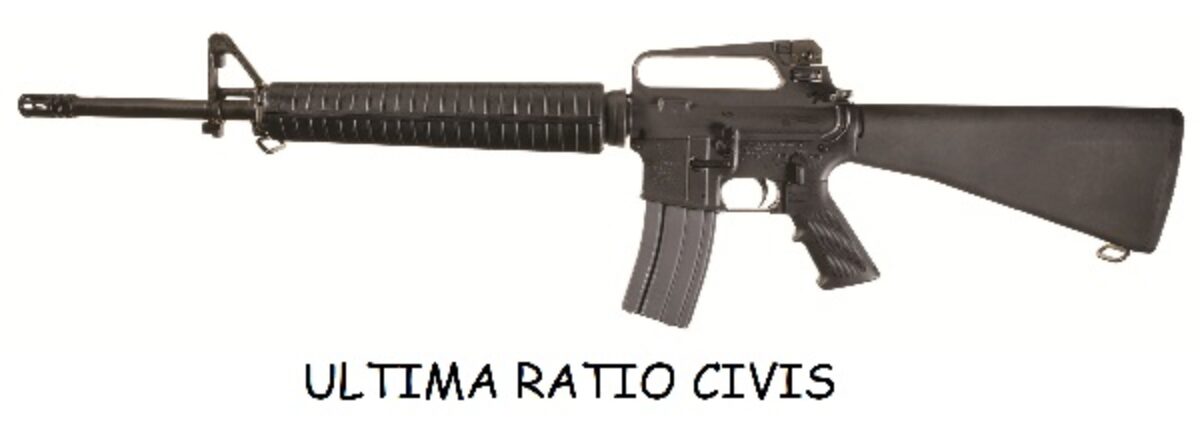
SB 17 would have imposed broad prohibitions on commonly owned gas-operated semi-automatic firearms and standard-capacity magazines — firearms that are overwhelmingly used for lawful purposes including self-defense, sport shooting, and hunting. Opponents argued the bill directly conflicted with the U.S. Supreme Court’s “common use” standard under the Second Amendment.
Beyond firearm bans, SB 17 layered on costly “site hardening” mandates for federally licensed firearm dealers, many of whom are small business owners already subject to extensive ATF regulation. The bill also attempted to create mechanisms critics warned could function as a de facto state gun registry — raising serious constitutional concerns about commandeering federal records and creating conflicts with federal law.
Perhaps most alarming to opponents was a provision forcing gun dealers to submit annual certifications under threat of felony charges for technical paperwork errors. Critics characterized this as a “zero tolerance trap” that would punish law-abiding retailers for minor administrative mistakes while doing nothing to deter violent criminals. Data cited during debate indicated retail theft accounts for a tiny fraction of crime guns, undermining the bill’s stated premise.
Ultimately, SB 17 stalled and was rolled indefinitely in House Judiciary — effectively killing it for the session.
SB 261: Expanded Gun-Free Zones Defeated
SB 261 attempted to transform polling places and ballot drop boxes into expanded gun-free zones by creating new 100-foot and 50-foot no-carry buffers. The legislation would have stripped existing exemptions for concealed handgun license holders — disarming thousands of law-abiding citizens the moment they stepped near a polling entrance.
More troubling, critics warned the bill jeopardized public safety by restricting law enforcement’s authority. Under SB 261, officers would have been required to be “requested” by an election official to carry within certain zones — replacing their general authority to act in the line of duty with a bureaucratic permission structure.
During its hearing in House Government, Rep. John Block aggressively questioned the bill’s language and consequences. He argued it would create confusion for responding officers, expose citizens to petty misdemeanor charges for carrying even non-functional firearm components such as frames or receivers, and potentially delay emergency response in volatile situations.
Block warned that hamstringing police authority around polling locations could have the opposite of the intended effect — undermining security rather than enhancing it. His line of questioning exposed what critics described as sloppy drafting and unintended consequences, ultimately contributing to the bill being rolled without a vote.
A Major Win for Gun Owners
With both SB 17 and SB 261 now effectively dead, gun owners and constitutional advocates are celebrating what they view as a critical firewall against sweeping restrictions.
As the session closes, the failure of these measures underscores a broader reality: even in a Democrat-controlled Legislature, radical gun control proposals face steep resistance when constitutional scrutiny, public safety concerns, and procedural accountability are brought to bear.
For now, New Mexico’s law-abiding gun owners retain their rights — and lawmakers who attempted to curtail them will likely face continued pushback from constituents in future sessions.