
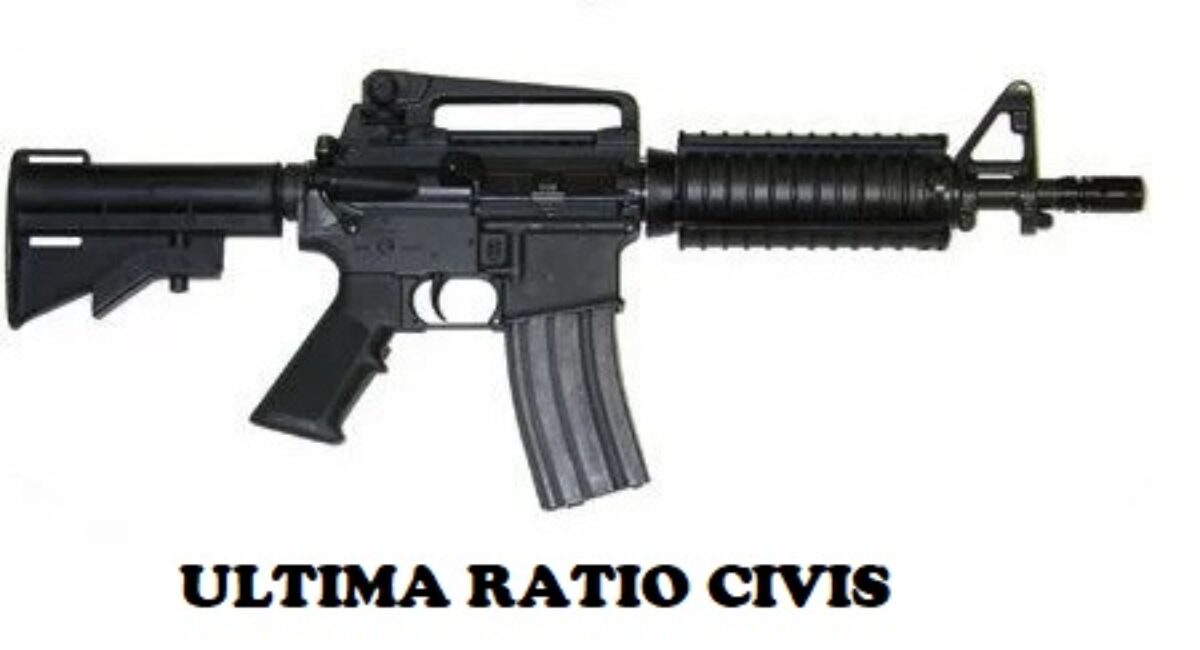
Justice Scalia’s majority opinion in Heller had this to say about what arms meant:
The 18th-century meaning [of arms] is no different from the meaning today. The 1773 edition of Samuel Johnson’s dictionary defined ‘‘arms’’ as ‘‘[w]eapons of offence, or armour of defence.’’ Timothy Cunningham’s important 1771 legal dictionary defined ‘‘arms’’ as ‘‘any thing that a man wears for his defence…’’
NY AG Claims Body Armor Isn’t a Second Amendment Right
BUFFALO, NY — A legal battle is brewing in New York over whether law-abiding citizens have the right to purchase and own body armor for personal protection. Attorney General Letitia James has formally requested a federal judge to dismiss a lawsuit filed by the Firearms Policy Coalition (FPC), which challenges the state’s ban on the sale of this defensive gear to most civilians.
The FPC originally filed the lawsuit on behalf of New York residents who simply want the ability to protect themselves. In response, the state is arguing that body armor is a “dangerous and unusual” item that falls outside the protections of the Second Amendment. Attorney General James’s office claims that because modern body armor didn’t exist when the Constitution was written, it shouldn’t be covered.
However, this line of reasoning seems to ignore a key Supreme Court ruling. In the 2016 case Caetano v. Massachusetts, the court affirmed that the Second Amendment isn’t limited to 18th-century technology. Justice Samuel Alito pointed out that even firearms commonly used for self-defense today, like revolvers and semi-automatic pistols, did not exist back then. The court’s logic was clear: new technology doesn’t negate a constitutional right.
The True Purpose of Body Armor
New York’s argument portrays body armor as a tool for criminals, suggesting it turns a person into a “fortified threat” and is part of a “mass shooter’s toolkit.” This perspective overlooks the fundamental nature of body armor: it is purely defensive. Unlike a firearm, body armor cannot be used to inflict harm. Its sole purpose is to stop projectiles and protect the life of the person wearing it, which is the very essence of self-defense. Many everyday citizens, from late night convenience store clerks to people living in high crime neighborhoods, seek this protection for peace of mind.
The state’s ban was enacted following the tragic 2022 mass shooting at a Buffalo supermarket. Now, groups like the National Rifle Association are pushing back, stating that such laws only penalize law-abiding citizens. They argue that criminals, by their very definition, do not follow the law, so a ban on body armor only prevents good people from having another tool to ensure their own safety.
This case is being watched closely, as its outcome could set a precedent for whether states can prohibit citizens from owning defensive gear, raising critical questions about the modern application of the right to self-defense.